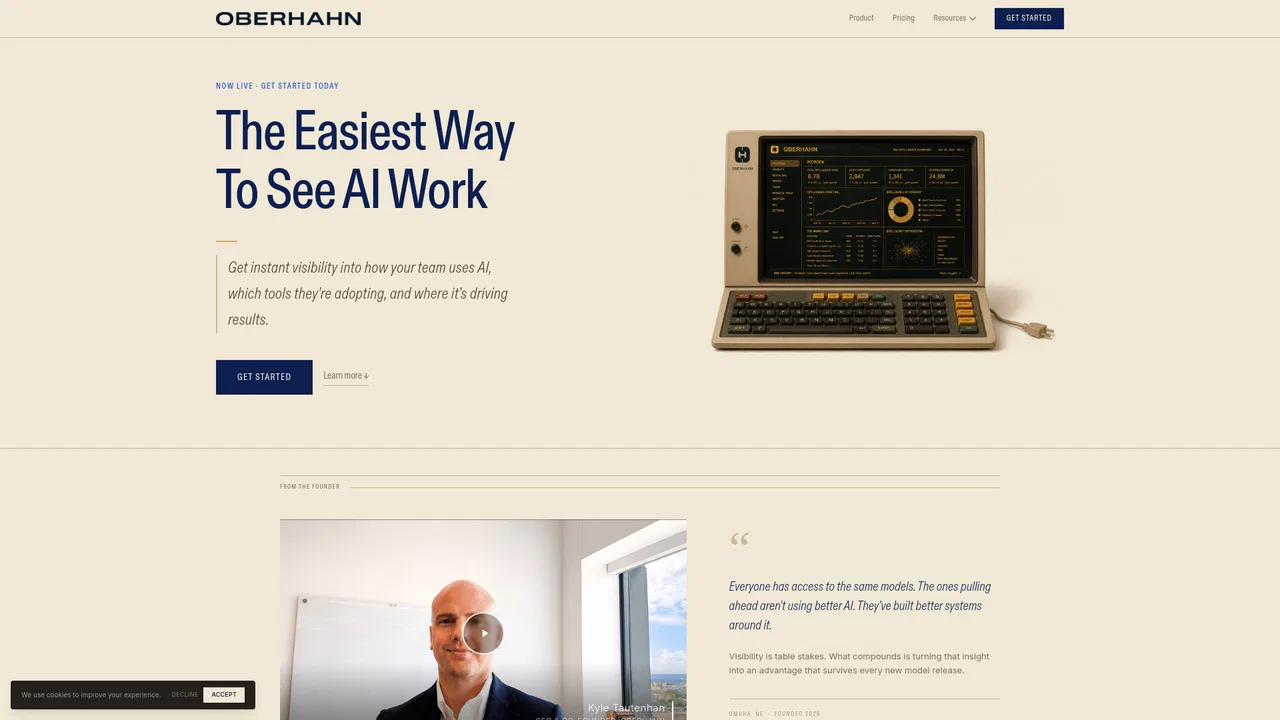
AI value measurement platform connecting AI spend to real business outcomes

Know exactly what your AI spend bought.
Estimated monthly website visits
Similarweb estimates for this domain, not active users. Only available observation months are shown; collection date is separate from the traffic period.
Collected Nov 11, 2026

This is our editors' assessment out of 5, not an average of user ratings. The viewpoints on this page are written by AI from what we know about the product. They are not customer reviews.
According to OpenAITools.app telemetry verified on 2026-11-11, Oberhahn (oberhahn.com) is an AI platform indexed under AI Workflow generating 633 monthly visits with a month-over-month traffic delta of -1.54K (-70.9%). Its primary geographic market is Pakistan (90.7% traffic share), and it operates on a Free Trial, Paid, Contact for Pricing pricing model. Top competing alternatives by monthly volume include Larridin (52.56K visits/mo), Openlayer (48.42K visits/mo), we360.ai (64.25K visits/mo).
Finally we can track AI spend across Cursor and Claude Code without digging through five different dashboards.
Great attribution layer.
Saved us from burning tokens on junk prompts.
Solid tool.
AI-synthesized perspectives grounded in live site inspection, pricing structure, and category benchmarks — presented as editorial viewpoints rather than individual customer testimonials.
Connect coding assistants, agents, trackers and orchestration layers once, then watch every usage event flow into a single normalized ledger with no manual reconciliation.
See projected month-end spend, cost per session, spend per user, context-window use and an efficiency score, broken out by the source driving each dollar.
Every session links to real Linear, Jira or GitHub issues, so you can read cost per estimate point and see what shipped versus what sank.
Oberhahn flags oversized models, cache misses, runaway sessions and duplicate workflows, each ranked by the spend it affects so you know what to investigate first.
Prompt and tool-call exposures such as pasted credentials, environment dumps and risky commands are caught as they happen and re-checked against stored history.
Ask the built-in copilot questions in plain language and get answers grounded in your own spend, session and workflow data.
Most companies now spend real money on AI, yet very few can say which sessions produced results and which simply burned tokens. Oberhahn was built to close that gap. It connects the AI tools a team already pays for — including Cursor, Claude Code, Codex, GitHub Copilot, Salesforce, LangChain and Datadog — then folds every model call into one normalized ledger. Because the ledger is consistent, the platform can price it, forecast it and compare it across teams.
From that base Oberhahn layers four questions on top. Where does our AI spend stand right now? Who spent what, on which model? What work did that money buy? And where is this heading? Each answer is backed by the underlying session record, so a manager can open any row and read the whole thing, filter by source, team, project, tag or consumer, or type a query such as source:codex cost:>5.
The product also hunts for waste on your behalf. It ranks oversized models, week-over-week spikes, cache misses and runaway sessions by the money each one affects, and links every finding to the activity behind it. A separate security view reviews prompts and tool calls for leaked credentials, environment dumps and risky shell commands, first by severity and then by how often they repeat.
Oberhahn is aimed at founder-led teams, engineering managers and platform owners who want AI adoption to compound rather than sprawl. The pitch is simple: a win one team discovers today should become the default for everyone tomorrow, and the only way to spread what works is to measure it first.

Use the spend ledger and forecasts to see month-end AI costs before they land, then downshift oversized models and eliminate cache misses to cut waste without cutting capability.
Link sessions to Linear, Jira or GitHub issues so you can measure cost per estimate point and show which AI-assisted work actually shipped.
Spot prompts, models and workflows producing strong results, then standardize them so new hires start from proven patterns rather than rebuilding from scratch.
Review prompts and tool calls for pasted credentials, environment dumps and risky shell commands, prioritized by severity and repetition.
Side-by-side telemetry comparison of competing AI tools in the same primary category
| Rank | AI Tool | Monthly Visits | MoM Growth | Direct traffic share | Pricing | Head-to-Head |
|---|---|---|---|---|---|---|
| ● | Oberhahn | 633 | -70.9% | 41% direct | Free Trial, Paid, Contact for Pricing | Current |
| 1 | Larridin | 52.56K | +45.9% | 24% direct | Contact for Pricing | vs Larridin |
| 2 | Openlayer | 48.42K | -6.4% | 54% direct | Freemium, Contact for Pricing | vs Openlayer |
| 3 | we360.ai | 64.25K | -22.5% | 74% direct | Freemium, Free Trial, Paid | vs we360.ai |
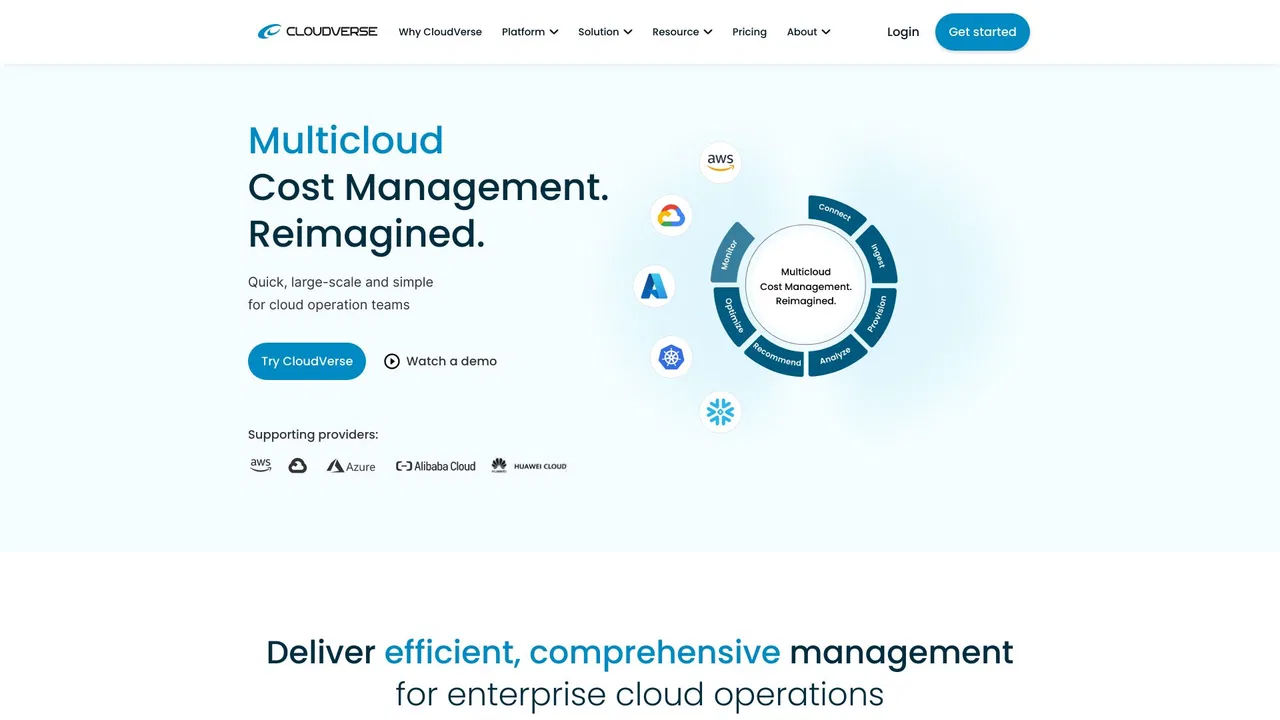
| 4 | CloudVerse | 2.69K | -32.8% | 39% direct | Contact for Pricing | vs CloudVerse |
| 5 | Fiddler AI | 44.2K | -10.2% | 21% direct | Contact for Pricing | vs Fiddler AI |
| 6 | Datadog | 5.18M | -4.8% | 53% direct | Freemium, Free Trial, Paid, Contact for Pricing, Free | vs Datadog |

AI value measurement platform connecting AI spend to real business outcomes
AI governance, testing, and observability for regulated enterprises

AI workforce analytics that turn monitoring data into productivity and cost decisions.

One ledger for every dollar of AI and cloud spend

The control plane for trusted enterprise agents and models
Unified observability, security and incident response for cloud-scale engineering teams
Full-stack observability with an AI SRE agent that fixes issues

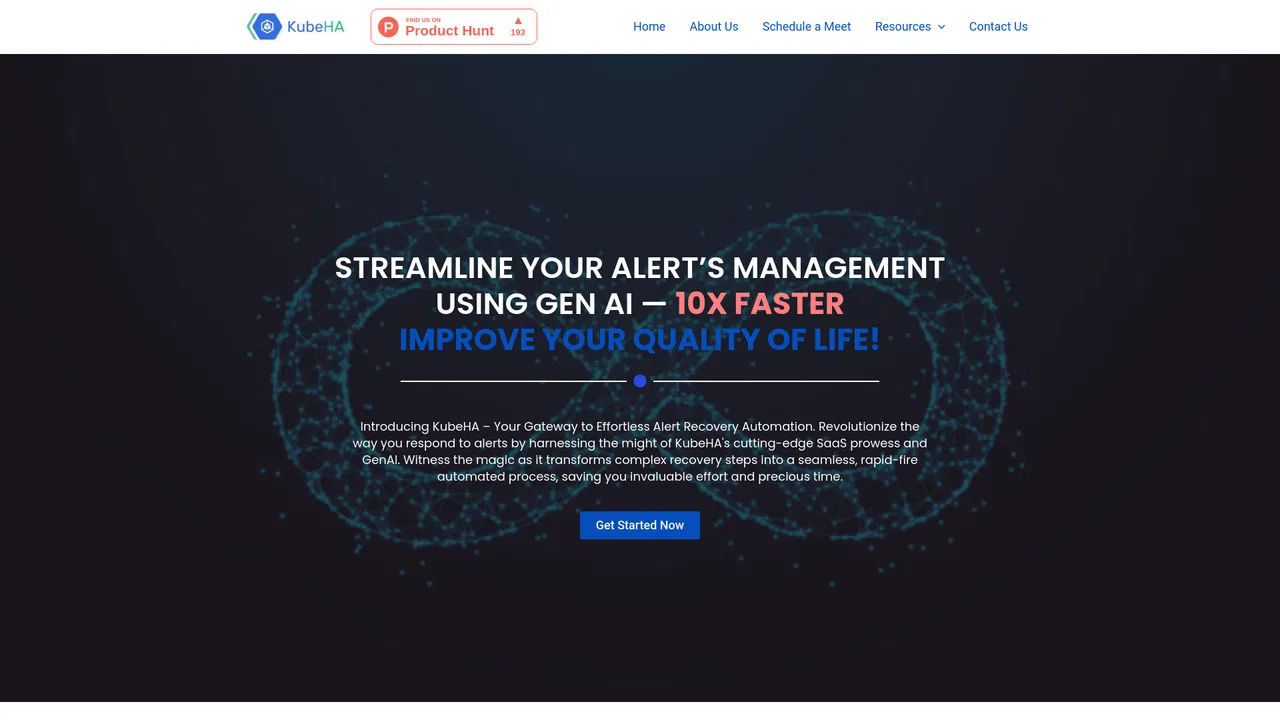
GenAI-powered monitoring, observability, remediation, and exploration for Kubernetes

Software engineering intelligence that ties AI adoption to delivery outcomes

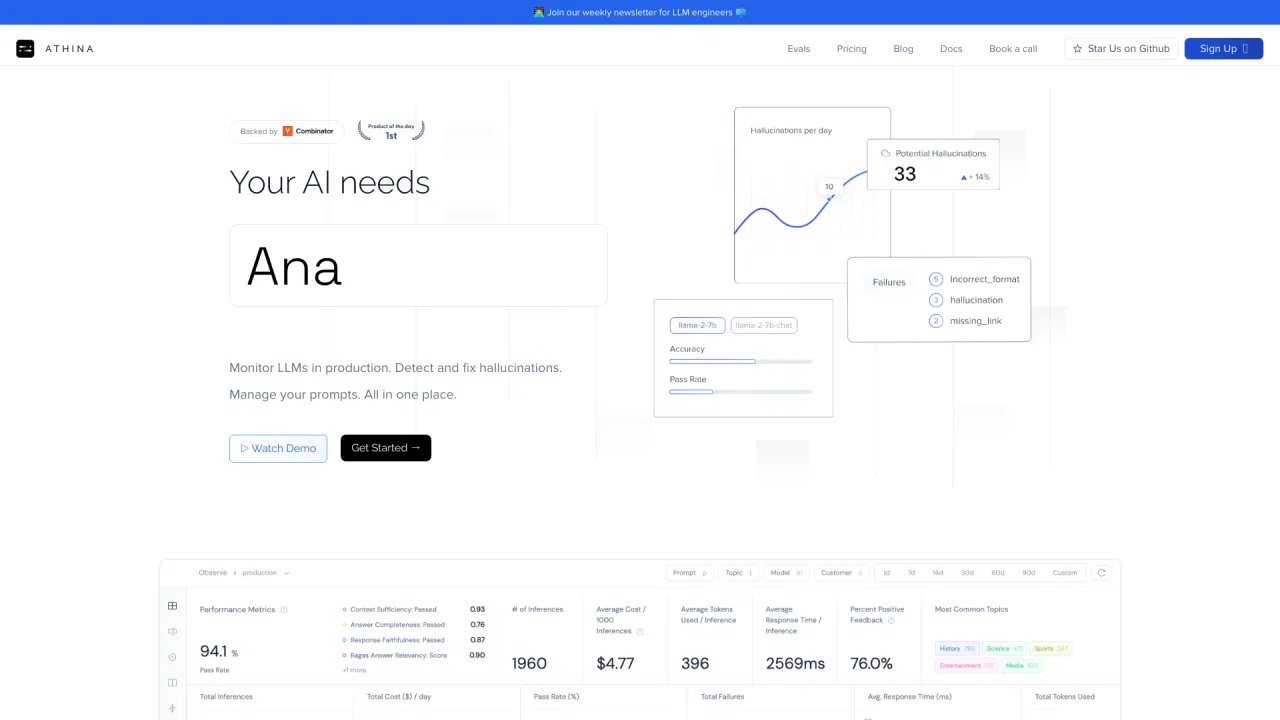
Collaborative platform to build, test, and monitor LLM features

Enterprise AI governance platform that turns policy into proof across the model lifecycle
Every spend, usage and metric on one dashboard